
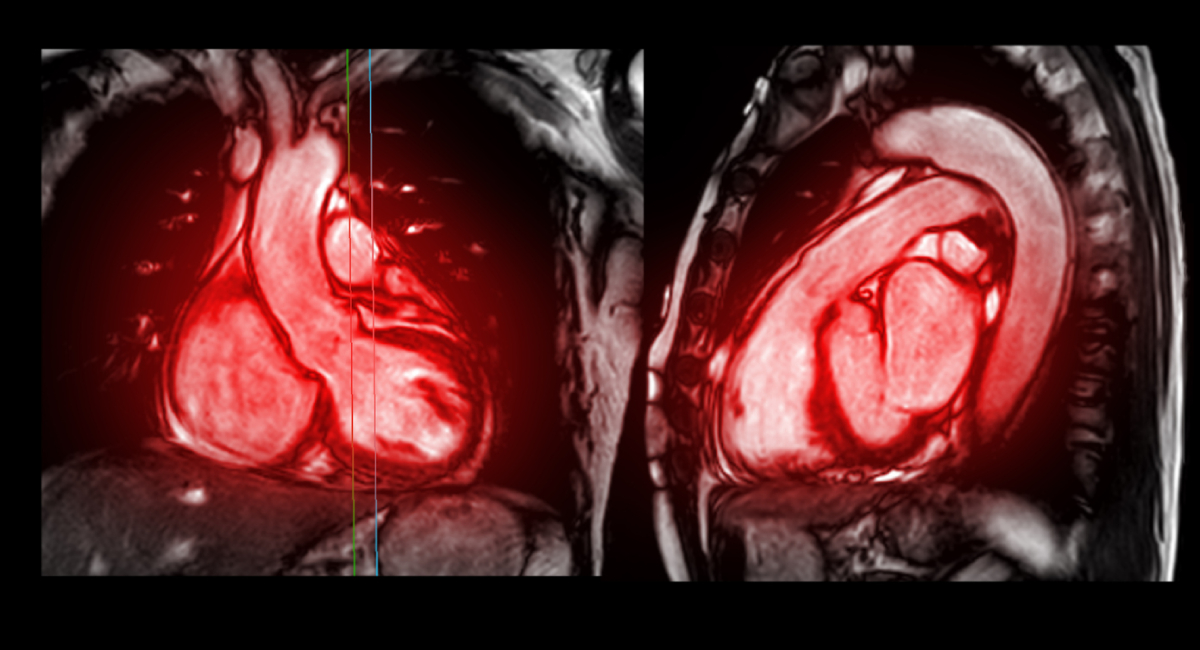
If you’ve been scheduled for a cardiac MRI, you’ve wondered. “How long does an MRI take?”. If you’re trying to plan your day, arrange transportation, or determine when you can return to work, you need to understand the expected timeline of the procedure. The answer to this query depends on what type of MRI you’re having and which part of your body is being examined. Fortunately, our team of health professionals is here to provide you with all the necessary information regarding your MRI.
Standard MRI Duration
Most MRI scans take between 30 and 60 minutes to complete. This timeframe covers the actual scanning process, but you should plan for additional time at the facility for preparation and any post-scan procedures.
The duration varies based on several factors, including the body part being scanned, the specific images your doctor requires, and whether contrast material is needed. Cardiac MRI scans typically take between 45 and 90 minutes, though they can be longer or shorter.
What Affects Scan Duration
Different medical conditions require different imaging sequences. A basic structural scan takes less time than a comprehensive study that includes functional assessments or detailed blood flow measurements. If your physician orders contrast, additional time is needed for the injections and subsequent imaging. The contrast material helps highlight certain structures or abnormalities that might not be visible otherwise.
If you are someone who moves or fidgets, this can cause delays in imaging and potentially repeat imaging if necessary. Newer MRI machines equipped with advanced technology can often complete scans more quickly than older models. The specific protocols used by your healthcare facility also influence timing.
The Cardiac MRI Experience
The cardiac MRI involves several phases that contribute to the overall duration. You’ll receive positioning and monitoring equipment placement. ECG leads are attached to monitor your heart rhythm throughout the scan.
During the actual imaging, you’ll need to hold your breath for short periods, typically 10 to 20 seconds at a time. The tech will provide clear instructions on when to breathe and when to hold your breath. For now, holding your breath is essential for obtaining clear pictures of your moving heart. As more advancements are made, MRI machines should operate quickly enough that patients are not required to hold their breath.
Multiple image sequences are conducted to evaluate different aspects of cardiac function. These might include structural images of the heart muscle, blood flow studies, and assessments of how well your heart contracts and relaxes.
Preparation Time Considerations
The scan time doesn’t include preparation activities. You’ll need to complete paperwork, change, and have any metal removed. If contrast is ordered, an IV line will be placed before the scan begins.
For a cardiac MRI, additional preparation may include reviewing breathing instructions and ensuring your heart rate is within an acceptable range for the imaging procedure. This preparation typically adds 15 to 30 minutes to your visit time.
Why Cardiac MRI Takes Longer
Cardiac MRI requires more complex imaging sequences than those used for many other body parts. The heart’s constant motion means the scanner must synchronize with your heartbeat to capture clear images. This synchronization process takes additional time.
Furthermore, cardiac studies often require multiple imaging planes and sequences to provide comprehensive information about heart structure and function. Your doctor might need images of blood flow, muscle movement, and structural details, each requiring separate scanning sequences.
Managing Your Expectations
Plan to spend around two to three hours at the imaging facility for a cardiac MRI. This includes check-in time, preparation, the scan, and any brief recovery period if contrast was used. If you’re claustrophobic or anxious about the procedure, discuss this with your healthcare provider beforehand. Some facilities offer mild sedation, which can affect your total time at the facility and may require additional recovery time.
Factors That Might Extend Your Scan
Certain situations can make your MRI take longer than initially planned. If you have difficulty holding your breath or staying still, some sequences may need to be repeated. Irregular heart rhythms can also complicate cardiac MRI timing, as the scanner needs consistent rhythm patterns for optimal imaging.
Technical issues with equipment or the need for additional sequences based on initial findings can also extend scan time. Your tech will keep you informed of any adjustments to the expected duration when necessary.
Planning Your Day
When scheduling your MRI, keep in mind that the entire process will take longer than just the scan time. Factor in travel time, parking, check-in procedures, and potential delays. It’s often helpful to clear your schedule for the remainder of the day, particularly if you are having a cardiac MRI or receiving contrast.
Understanding these timeframes helps you prepare appropriately for your scan. Although it may require special planning, information provided by MRI imaging is invaluable for accurate diagnosis and treatment planning.
Heart Care Center in Upland, CA
Contact us today to speak with our cardiology specialists about scheduling your cardiac MRI.


